Alpine Ski Jackets & Technical Shells
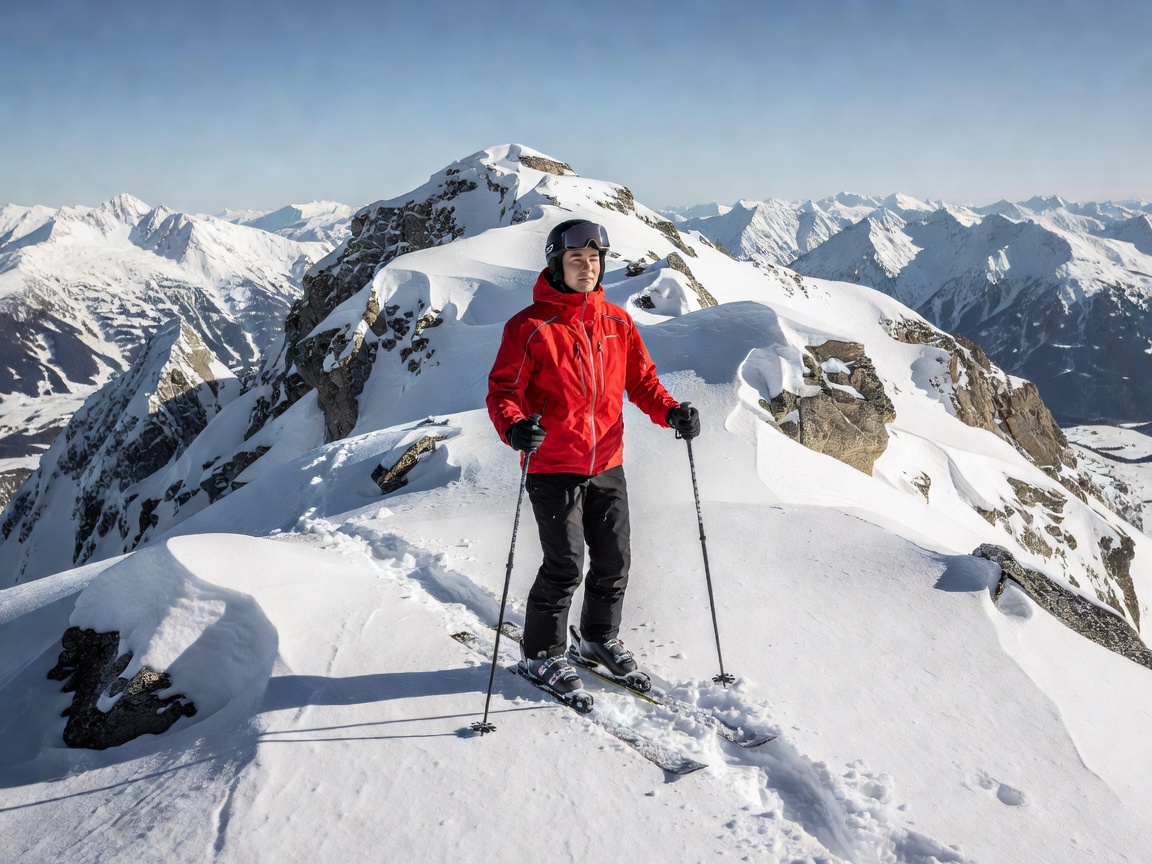
Three-layer Gore-Tex and Dermizax hardshells engineered for gale-force gusts above 2,500 meters in St. Anton and high-speed descent durability against driving precipitation.
From the exposed ridges of the Arlberg to the cobblestones of Kitzbühel, Austrian alpine conditions demand garments calibrated for sub-zero temperatures, intense blizzards, and swift transitions to slope-side hospitality. Discover the pinnacle of functional winter engineering and artisanal woolcraft.
Explore five foundational categories that define Austrian high-mountain protection, thermal balance, and timeless alpine sophistication.
Three-layer Gore-Tex and Dermizax hardshells engineered for gale-force gusts above 2,500 meters in St. Anton and high-speed descent durability against driving precipitation.
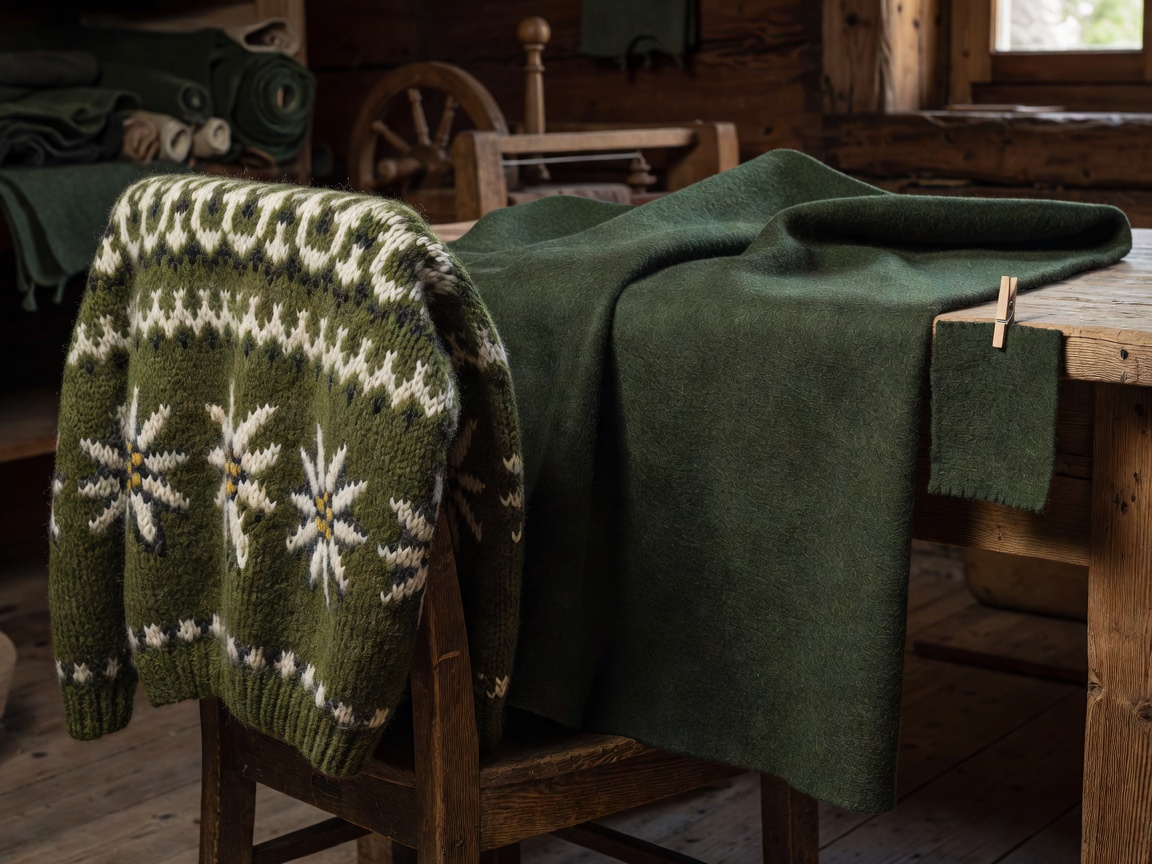
Austrian Walkjanker, dense boiled virgin wool, and natural lanolin-rich yarns that repel sleet while breathing organically across fluctuating alpine elevations.
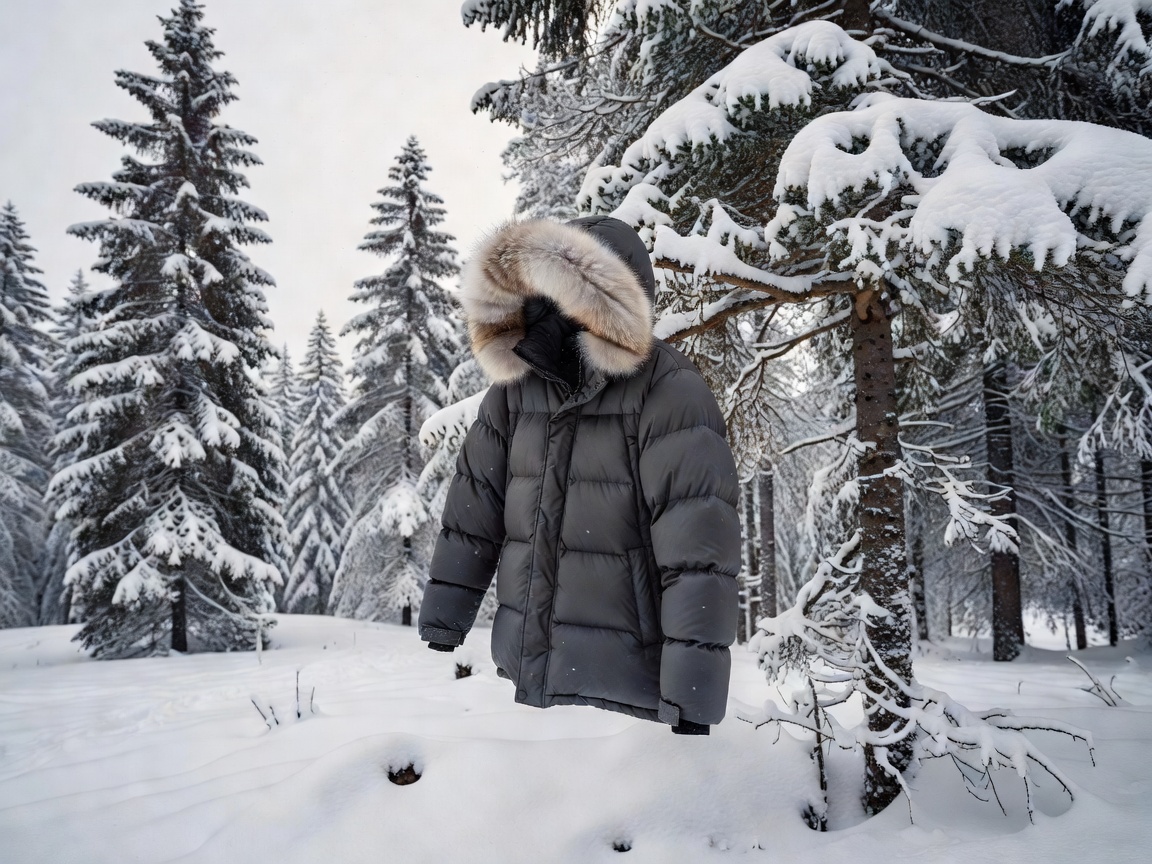
High-loft 800+ fill power European goose down parkas and box-wall baffle construction engineered to withstand sub-zero valley freeze inversions down to -25°C.
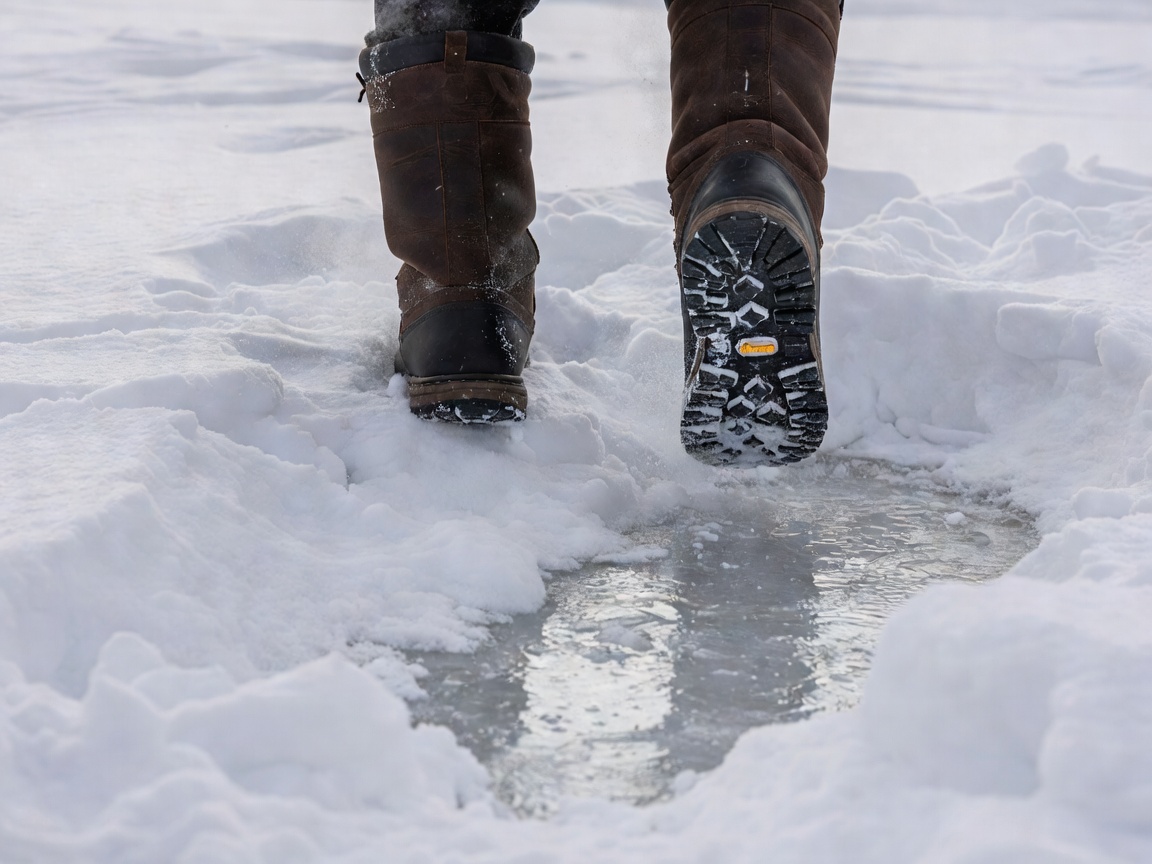
Vibram Arctic Grip micro-fiber outsoles, shearling insulation, and waterproof Norwegian double-stitched (Zwiegenäht) mountain leather boots built for iced cobblestones.
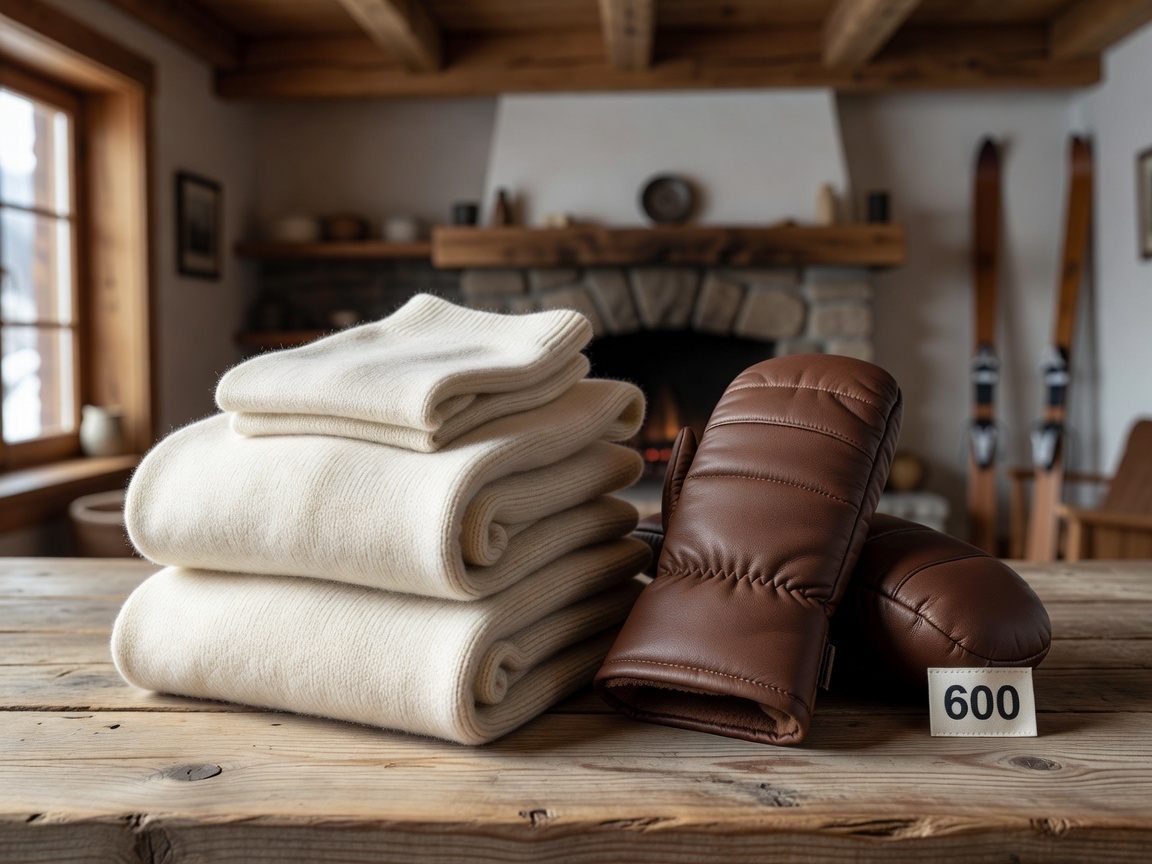
Next-to-skin 17.5-micron merino wool foundations, goatskin trigger gauntlets, Mongolian cashmere wraps, and refined slope-to-chalet transitional garments.
Austrian mountain weather is characterized by fierce temperature differentials. A morning run under sunny skies in the Zillertal or Montafon can rapidly shift into whiteout blizzards as north-westerly fronts collide with the continental Alpine ridge.
Moreover, the famous southern Föhn wind can induce rapid thaw cycles followed by immediate glacial refreezing at nightfall. Garments engineered for this environment cannot merely offer static insulation; they must regulate active perspiration vapor, resist tearing on limestone rock, and withstand high barometric wind pressure.