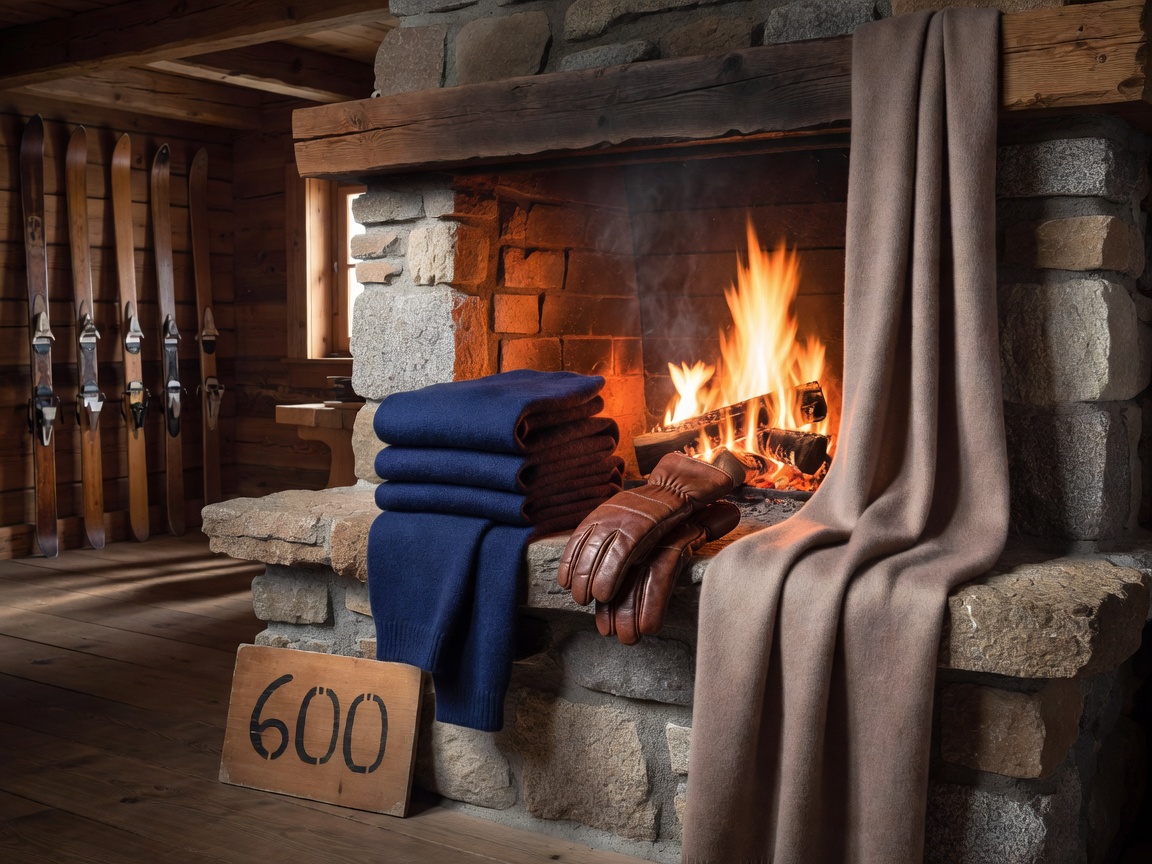
The Engine Room: The Alpine Base Layer
No high-performance technical shell or heavy down parka can compensate for an inadequate foundation. The next-to-skin base layer is directly responsible for pulling liquid perspiration away from the skin surface before it cools and prompts involuntary shivering.
In Austrian mountaineering circles, 100% merino wool (ranging from 17.5 to 19.5 microns) is universally favored over pure petroleum synthetics. While polyester or polypropylene dry fractionally faster on paper, they retain bacteria that cause severe odor after just two runs down the mountain. Merino wool fibers neutralize bacteria naturally, while their keratin structure continues to release minute amounts of sorption heat as they absorb water vapor.
Merino Fabric Weights for Cold Peak Conditions
- 150 g/m² (Ultralight): Suited for intense spring ski touring or warm sunny March afternoons on the pistes.
- 200 – 260 g/m² (Midweight): The quintessential all-winter Austrian standard for December through February resort skiing from -5°C down to -18°C.
- 300+ g/m² (Expedition Weight): Reserved for sub-zero high-wind exposure on the stubai or Hintertux glaciers where chairlift waits are extensive.
Hand Warmth: Mittens vs. Three-Finger Trigger Gloves
Hand circulation is the first victim of cold-induced vasoconstriction when the human body protects vital core organs. Austrian ski instructors and high-mountain guides recommend:
Goatskin & Cowhide Shells: Natural full-grain goat leather remains exceptionally soft and pliable even when frozen, providing a tactile grip on ski poles that synthetic palms cannot match. When treated with snowproofing balm, leather repels water while breathing out hand perspiration.
Trigger (Three-Finger) Hybrids: Combining the thermal efficiency of a mitten (keeping index, middle, ring, and little fingers together) with an isolated index finger that allows effortless buckle adjustments, zipper management, and ski pole grasp.
| Extremity Accessory | Core Material | Wind / Thermal Rating | Key Advantage | Style Note |
|---|---|---|---|---|
| Alpine Leather Gauntlet | Goat leather + GORE-TEX insert + Primaloft | Extreme (-25°C rating) | Snow-cuff locks prevent powder entry | Classic mountain guide aesthetic |
| Cashmere / Silk Scarf | Grade-A Mongolian Cashmere | High thermal insulation, soft touch | No collar itch; supreme comfort | Chalet fireside, evening dining |
| Merino Balaclava | 200 g/m² stretch wool blend | Full windbreak under helmet | Protects cheeks from frostbite in whiteouts | Functional slope performance |
The Philosophy of Austrian Après-Ski Fashion
In resorts like Ischgl, Lech, and Kitzbühel, après-ski is not merely drinking at a slope-side umbrella bar; it is an established social institution with its own dress code. Transitioning from active powder skiing to the warm cedar-paneled atmosphere of a mountain Stube requires smart layering.
Rather than wearing sweaty technical hardshells indoors, the discerning skier sheds the waterproof shell to reveal a pristine boiled wool Walkjanker, a textured fisherman's cable knit, or a tailored down gilet (vest) paired with clean dark-rinse selvedge denim or heavy whipcord trousers. This balance of outdoor readiness and refined European tailoring is the hallmark of genuine Alpine Luxe.