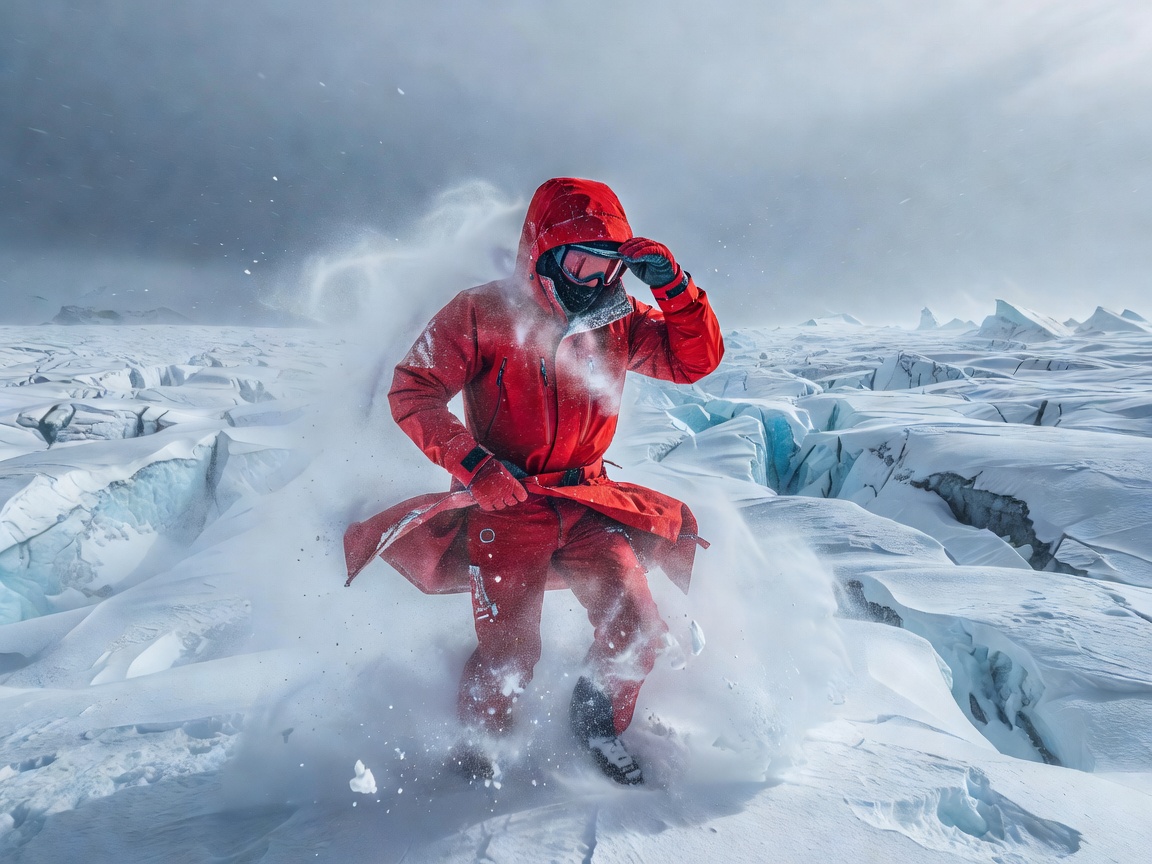
The Demands of Austrian Ski Terrains
Skiing in Austrian resorts such as St. Anton am Arlberg, Ischgl, and Sölden exposes apparel to some of the most dynamic weather systems in Europe. While maritime ski resorts frequently deal with dense wet snow, the high-altitude Austrian Central Alps endure dry powder blizzards accompanied by wind gusts regularly surpassing 80 km/h above 2,500 meters.
Under these conditions, an ordinary fashion ski jacket fails rapidly. Cold mountain wind pulls body heat away via convective thermal loss, while physical exertion on steep off-piste descents creates internal moisture that, if trapped, turns into freezing condensation during long lift rides.
Shell Architecture: 3-Layer (3L) vs. Insulated Ski Jackets
Modern alpine experts distinguish between two primary jacket paradigms:
- Uninsulated 3-Layer Hardshells: A tough outer face fabric (usually high-denier ripstop nylon) is bonded directly to a waterproof-breathable microporous membrane and a lightweight backing scrim. These jackets offer maximum wind and snow protection while allowing the wearer to calibrate thermal insulation underneath depending on fluctuating temperatures.
- Insulated Ski Jackets: Outer membranes are constructed with integrated synthetic fibers or down insulation. These offer immediate comfort during relaxed resort cruising and bitter chairlift rides, but lack the ventilation flexibility required for steep freeride touring.
Key Membrane Technologies: Hydrostatic Head & Vapor Permeability
When selecting technical outerwear for Austrian summits, two metrics dictate performance: the hydrostatic head rating (measured in millimeters of water column) and the moisture vapor transmission rate (MVTR, in grams per square meter per 24 hours).
For high-alpine expeditions and wet snowfall at mid-mountain stations (1,400 m – 1,800 m), an outer shell must provide a minimum hydrostatic head of 20,000 mm. Anything less risks moisture ingress under the intense pressure applied by ski backpack straps or when sitting on damp quad chairlifts.
| Jacket Class | Waterproof Rating | Breathability (MVTR) | Optimal Setting | Trade-Off |
|---|---|---|---|---|
| 3L Alpine Hardshell | 28,000 mm | 25,000 g/m²/24h | Arlberg freeride, backcountry touring | Requires intentional mid-layer warmth |
| Insulated Resort Jacket | 15,000 – 20,000 mm | 15,000 g/m²/24h | Piste skiing, Kitzbühel cold snaps | Prone to overheating during vigorous ascents |
| Hybrid Softshell Shell | 10,000 mm | 30,000+ g/m²/24h | Spring ski mountaineering, high climbs | Vulnerable in sustained driving blizzards |
Critical Alpine Design Features
Beyond fabrics, functional details differentiate professional alpine gear from standard winter coats:
- Storm Hood Compatibility: The hood must fit seamlessly over standard ski helmets without restricting peripheral vision or tugging at the collar. Dual-point cohaesive cord locks allow one-handed adjustments with gloves on.
- Watertight Pit Zips: Two-way underarm venting zippers are non-negotiable for dumping thermal buildup when transitioning from high-intensity mogul skiing to static lines.
- Integrated Powder Skirt & Pant Interlocks: A silicone-gripped powder skirt prevents snow ingress during deep off-piste powder turns and accidental falls.
- Avalanche Reflector Integration: Passive reflectors like RECCO patches embedded into the sleeve or hood provide a secondary safety beacon for alpine rescue teams.
Care and Membrane Longevity
Alpine jackets rely on a Durable Water Repellent (DWR) finish to prevent outer face saturation. When face fabric wets out, breathability drops to zero. Clean technical shells with dedicated technical wash detergents and reactivate the fluorocarbon-free DWR coating with low-heat tumble drying or gentle iron passes.